One Sound, One Million Views, Zero Guarantees: The Brutal Truth About Going Viral in Music
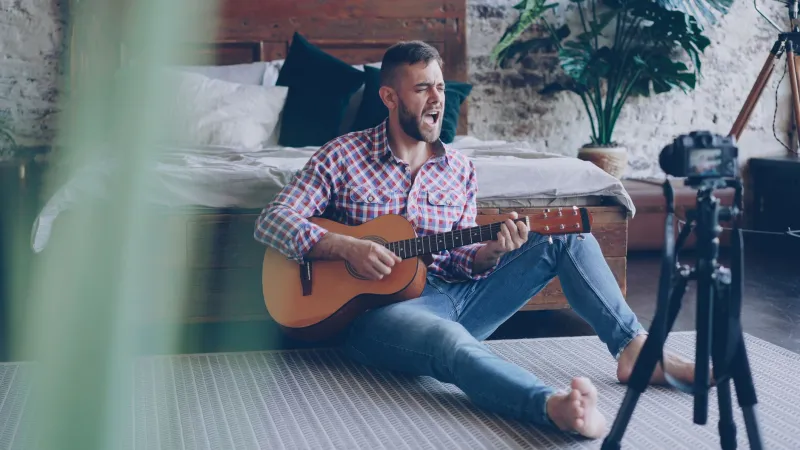
Let's be honest about something. When a song goes viral, it looks like magic from the outside. One week an artist is posting to 400 followers; the next week their sound is the backdrop to 2 million TikTok videos. It feels like the universe just decided. But spend any real time in the music industry — or talk to artists who've lived through it — and you quickly learn that virality is less like a gift and more like a storm. Beautiful, disorienting, and gone before you've figured out what to do with it.
So let's get into the actual mechanics of how a song blows up, why it sometimes means nothing for a career, and what the artists who've been through it wish someone had told them first.
How a Song Actually Goes Viral (It's Messier Than You Think)
There's no single formula, but there are patterns. TikTok remains the most powerful ignition switch in American music right now. A 15-second clip attached to the right trend — a dance, a meme format, a relatable caption — can move a song from obscurity to Spotify's Global Top 50 in under a week. The platform's algorithm rewards engagement loops: if people watch a clip more than once, or if the same audio gets used repeatedly in new videos, the system amplifies it further. It's a feedback engine, and once it kicks in, it moves fast.
But TikTok isn't the only road. YouTube's recommendation algorithm has its own logic, rewarding watch time and click-through rates in ways that can quietly build an audience over months rather than days. Playlist placement — particularly on Spotify's editorial playlists like "Today's Top Hits" or "New Music Friday" — still carries enormous weight. Landing on one of those can feel like a different kind of viral: slower, steadier, and arguably more sustainable.
And then there's the old-fashioned sync placement. A song drops into a Netflix show or an NFL broadcast, and suddenly it's everywhere without a single TikTok dance involved.
The Artists Who Rode the Wave
Take Lil Nas X. "Old Town Road" didn't just go viral — it became a cultural phenomenon, broke chart records, and launched a career that has shown genuine staying power. But Lil Nas X was unusually savvy about working the moment. He understood meme culture, he engaged relentlessly with his audience, and he had a clear artistic identity that could hold up beyond the initial explosion.
Contrast that with the dozens of artists who had a massive viral moment in the last five years and then... didn't really have a follow-up. Not because they weren't talented, but because virality creates a very specific kind of pressure that most people aren't prepared for. Labels come calling. Managers appear out of nowhere. Everyone wants a piece of something before the window closes. Making clear-headed decisions in that environment is genuinely hard.
Omah Lay, Tai Verdes, Gayle — artists who had legitimate viral moments in the US — each had very different experiences of what came next. Some built on it. Others found the follow-up album cycle exhausting and creatively stifling because the industry expected them to immediately replicate a sound that had already peaked.
The 72-Hour Window Nobody Warns You About
Here's a thing that doesn't get talked about enough. When a song goes viral, the window for capitalizing on it is brutally short. The internet's attention moves at a speed that makes traditional music industry timelines look prehistoric. Labels used to work an album cycle over six to twelve months. The algorithm doesn't care about your rollout plan.
Artists who've been through it describe a frantic scramble. Do you release more music immediately to catch the wave, even if it's not ready? Do you hold back and risk losing momentum? Do you sign the deal that landed in your inbox, or do you wait for a better one that might not come?
There's no universal right answer, and that's exactly the problem. The artists who navigate it best tend to be the ones who already had a clear sense of who they were before the moment hit — people who weren't going to let a viral sound define their entire identity.
Does Viral Actually Mean Viable?
Honestly? Sometimes. But not automatically, and not as often as the success stories suggest.
The survivorship bias in conversations about music virality is massive. We talk about the artists who blew up and built something lasting. We don't talk as much about the ones who had a moment, signed a bad deal in a panic, released a rushed follow-up that flopped, and spent the next two years trying to claw their way back to baseline.
Streaming royalties from a viral song can be genuinely life-changing — or they can amount to a few thousand dollars spread across millions of plays, depending on the platform and the deal structure. A million TikTok uses of your sound doesn't automatically mean a million people who will buy a ticket or follow you to the next project.
The artists who seem to convert virality into careers most reliably are the ones who treat the moment as a megaphone, not a destination. They use the attention to show people who they are beyond the one sound — through live performance, through consistent content, through a point of view that doesn't evaporate when the trend moves on.
What You Should Actually Know Before the Algorithm Comes for You
If there's a through-line in what artists say after surviving a viral moment, it's this: have your infrastructure ready before it happens. Know who you trust. Have at least a rough sense of your artistic direction. Understand the basics of how your streaming and publishing money flows.
Because when the moment arrives, you won't have time to figure any of that out. The storm moves too fast. And the artists who come out the other side intact are almost always the ones who had something solid to hold onto when everything else was spinning.