No Label, No Problem: How Independent Artists Are Owning Their Sound in 2024
Not too long ago, making it in music meant one thing: getting signed. You needed the label, the A&R rep, the big advance, and someone in a suit telling you which single to push. That world still exists, but it's starting to look a lot less like the only option — and a lot more like one option among many.
In 2024, independent musicians in the US are building genuine careers without ever walking through a label's front door. They're releasing music on their own schedules, keeping their masters, and cultivating fanbases that actually know their names. And the tools making all of this possible? They're more accessible than ever.
The Platform Shift Is Real
Let's talk about the infrastructure first, because it matters. Platforms like DistroKid, TuneCore, and CD Baby have quietly become the backbone of independent music distribution. For a flat annual fee — sometimes less than $20 — an artist can get their music on Spotify, Apple Music, Amazon, Tidal, and dozens of other streaming services worldwide. No middleman. No percentage taken off the top by a label. Just you and your music, everywhere.
Bandcamp has carved out its own lane as the indie artist's best friend for direct-to-fan sales. It's where you go when you want to sell vinyl, merch, and digital downloads to people who actually want to support you financially — not just stream your track for a fraction of a cent. Bandcamp Fridays, where the platform waives its revenue share, have turned into genuine community events for music lovers who want their money going straight to the creator.
And then there's TikTok. Love it or hate it, the platform has become one of the most powerful discovery engines in music history. A 15-second clip can launch a song into the stratosphere, and unlike radio play or a Spotify editorial playlist, TikTok's algorithm doesn't care how many followers you have. It cares about engagement. That's a fundamentally different game — one where a bedroom artist in Tulsa can compete with a major label act.
Real People, Real Wins
This isn't theory. The proof is in the people.
Take Chloe Moriondo, who started posting ukulele covers on YouTube as a teenager and built a following before she ever signed to a label. Or Russ, who famously released music independently for years before the industry came knocking — and when it did, he negotiated on his own terms. Or Lil Nas X, whose "Old Town Road" blew up on TikTok before any label had a chance to claim it.
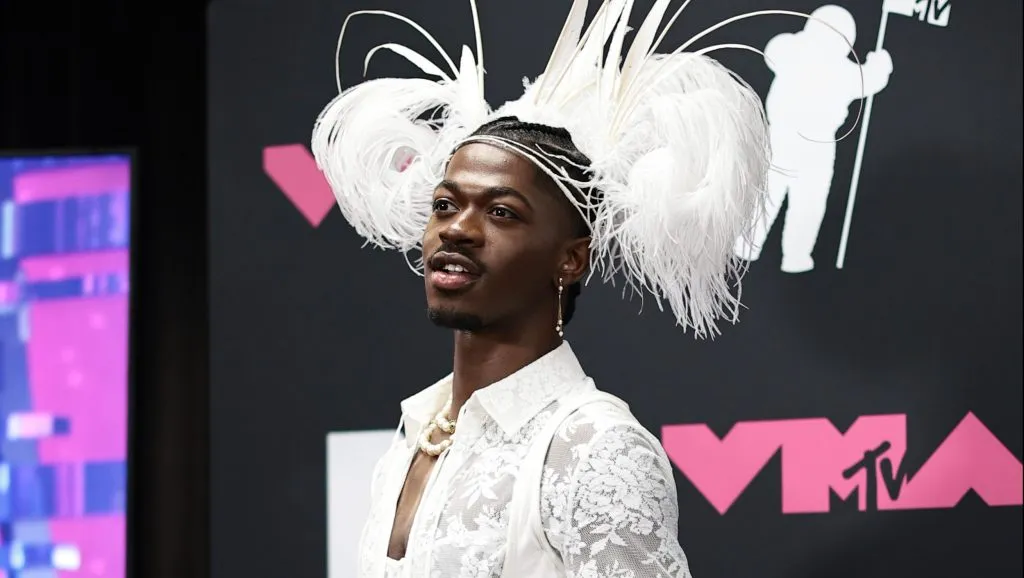 Photo: Lil Nas X, via www.vibe.com
 Photo: Chloe Moriondo, via www.purseblog.com
On a more grassroots level, artists like Tobe Nwigwe have built cult followings through consistent, authentic content — releasing weekly videos, staying true to their creative vision, and refusing to compromise for mainstream approval. His Houston roots, his family, his faith — all of it is front and center in his music and his brand. And it works precisely because it's real.
 Photo: Tobe Nwigwe, via skillbox.ru
These aren't flukes. They're examples of what happens when talented people are given direct access to an audience.
The Financial Reality Check
Here's where we have to be honest, though: going independent isn't a get-rich-quick situation. Streaming royalties are notoriously low. A million streams on Spotify might earn you somewhere between $3,000 and $5,000 — before platform fees and distribution costs. That's not nothing, but it's also not a living.
The artists who are actually sustaining themselves independently are usually doing it through a combination of revenue streams. Streaming is just one piece. Live shows, merch sales, sync licensing (getting your music in TV shows, films, and ads), Patreon or fan subscriptions, and brand partnerships all add up. Some artists are making more from a single sync placement than they'd see from a year of streaming.
The key is thinking like a business owner, not just a musician. That means understanding your numbers, investing in your craft and your marketing, and treating your fanbase like the community it is — not just a metric.
Practical Steps for the Aspiring Independent Artist
So what does this actually look like if you're just starting out? Here's the honest breakdown:
Get your distribution sorted. Sign up for DistroKid or a similar service and start putting your music everywhere. Don't wait until it's "perfect." Release, learn, repeat.
Own your masters. This is non-negotiable. If you're recording independently, make sure you understand who owns what. Your recordings are your assets.
Build a presence on at least one social platform. You don't have to be everywhere. Pick the platform where your audience actually hangs out and show up consistently. TikTok and Instagram Reels are powerful for discovery; YouTube is great for depth and longevity.
Engage your fanbase directly. An email list is still one of the most valuable things you can build. Social platforms come and go — your email list is yours.
Collaborate with other independents. The DIY music community is genuinely supportive when you show up with integrity. Cross-promotion, joint releases, and shared shows can grow both artists' audiences without costing a dime.
Think about sync licensing. Sites like Musicbed, Artlist, and SubmitHub give independent artists pathways to get their music licensed. One placement can change your financial picture significantly.
The Bigger Picture
What's happening in independent music right now isn't just a trend. It's a structural shift in who gets to make art and how it reaches people. The barriers that used to keep talented musicians out of the conversation are coming down, one platform at a time.
That doesn't mean it's easy. It still takes work, consistency, and a willingness to wear a lot of hats. But it also means that the music that survives isn't necessarily the music that had the biggest budget behind it — it's the music that connected.
And honestly? That sounds like a better deal for everyone.
If you're an artist figuring out your next move, or a fan looking to support the creators you love, the independent music economy needs both of you. Show up, stay curious, and keep listening.