Off the Beaten Track: 10 American Music Scenes That Deserve Way More of Your Attention
Every music fan hits a wall eventually. The Spotify recommendations start feeling circular. The festival lineups blur together. You find yourself wondering if anything surprising is still out there.
It is. You just have to know where to look.
America has always been a country of musical subcultures — pockets of creativity that grow in garages, basements, corner bars, and church halls before anyone with a press badge ever shows up. Some of these scenes eventually explode into the mainstream. Most don't. But that doesn't make them any less vital. If anything, it makes them more interesting.
Here are ten underground US music communities that are doing something real right now. Consider this your invitation to go deeper.
1. The Tremé Jazz Revival — New Orleans, Louisiana
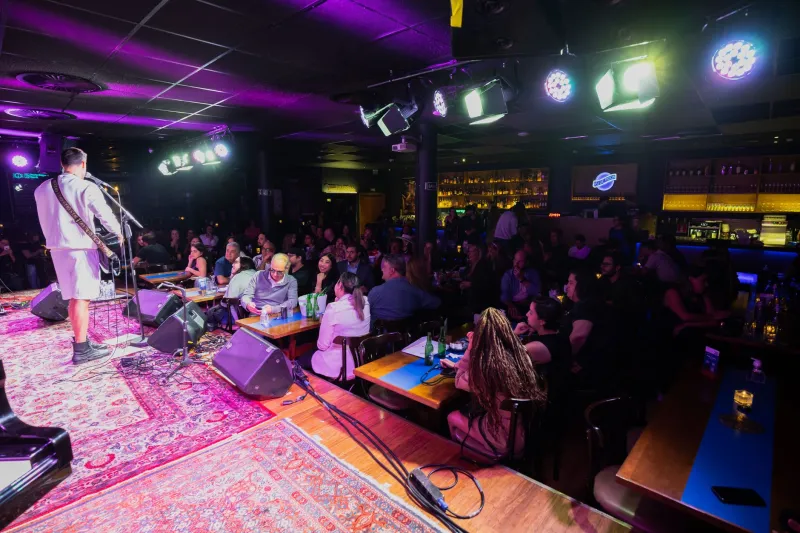
New Orleans never stopped being a jazz city, but something specific is happening in the Tremé neighborhood that feels different from the tourist-friendly brass bands on Frenchmen Street. Younger musicians — many of them classically trained, others self-taught — are fusing traditional second-line rhythms with free jazz, Afrobeat, and even electronic production. Artists like Tank and the Bangas got their start in this ecosystem, but the scene runs deeper than any one name. Sunday morning jazz sessions and late-night improvised sets at spots like Bullet's Sports Bar are where the real education happens.
 Photo: New Orleans, Louisiana, via as1.ftcdn.net
2. DIY Punk in the Rust Belt — Youngstown, Ohio
Mid-sized Midwest cities don't get nearly enough credit for the music they're generating. Youngstown, once written off as a post-industrial ghost town, has quietly developed a DIY punk and hardcore scene that's ferocious and community-driven. All-ages shows in converted warehouses, hand-printed zines, and a fierce anti-commercial ethos define the vibe here. It's the kind of scene that reminds you why punk existed in the first place — not as an aesthetic, but as a response to being ignored.
3. Cumbia-Punk Fusion — Los Angeles, California (Boyle Heights)
Boyle Heights has long been a center of Mexican-American culture in LA, and its music scene reflects that complexity in fascinating ways. A growing number of bands are blending cumbia rhythms with punk and garage rock energy, creating something that sounds both ancestral and completely urgent. Bands like Las Cafeteras have brought elements of this to wider audiences, but the neighborhood's house shows and local venues are where the real experimentation is happening — and it's getting louder.
4. Appalachian Drone and Folk — Asheville, North Carolina
Asheville has a reputation as a quirky arts town, but the music scene there goes beyond what the tourism brochures suggest. A loose community of musicians is exploring the intersection of traditional Appalachian folk — fiddles, banjos, modal tunings — with drone music, ambient soundscapes, and noise. It's meditative, sometimes unsettling, and deeply rooted in the landscape. If you've never heard a mountain dulcimer pushed through a reverb pedal until it sounds like it's coming from another dimension, Asheville has something to show you.
 Photo: Asheville, North Carolina, via i.ytimg.com
5. Black Metal and Post-Rock — Portland, Oregon
Portland's experimental music scene is well-documented, but its black metal and post-rock underground doesn't always make the highlight reel. Small venues and basement shows host bands that are doing genuinely inventive things with atmosphere and texture — blending the rawness of black metal with the slow-build emotional architecture of post-rock. The Pacific Northwest's geography — the rain, the forests, the long winters — seems to seep directly into the music. It's heavy in all the right ways.
6. Gospel-Influenced R&B — Jackson, Mississippi
Jackson doesn't get nearly the recognition it deserves as a music city. But its church culture has been quietly producing some of the most emotionally powerful R&B and soul in the country. Young artists raised in gospel traditions are bringing those vocal runs, that harmonic depth, and that communal energy into secular music — and the result is something that hits differently than anything produced in a major studio. Keep your ear to the ground for independent releases coming out of Mississippi right now. Something is building there.
7. Electronic Music and Indigenous Sound — Albuquerque, New Mexico
A small but growing community of Native American artists in and around Albuquerque is doing something that feels genuinely unprecedented: blending electronic production with traditional Indigenous music and language. Artists like DJ Shub (who's Canadian but has strong ties to this broader movement) have hinted at what's possible, but the Albuquerque scene is developing its own voice. It's music that carries history without being trapped by it — forward-looking and deeply grounded at the same time.
8. Bedroom Pop and Lo-Fi Indie — Richmond, Virginia
Richmond has a long punk history, but a newer generation of artists is doing something quieter and more introspective. The bedroom pop and lo-fi indie scene here is full of artists recording on modest setups, releasing music on Bandcamp, and playing intimate shows at coffee shops and art spaces. The production is deliberately rough around the edges, and the songwriting tends toward the personal and literary. It's music for late nights and long drives, and it's finding an audience that connects with its honesty.
9. Norteño and Regional Mexican — Fresno, California
Fresno sits in California's Central Valley, a region that feeds much of the country but rarely makes the cultural conversation. The Regional Mexican music scene here — norteño, banda, corridos — is enormous and largely self-contained, operating outside the mainstream music press entirely. Live shows draw massive crowds. Independent labels release music that circulates through community networks rather than streaming algorithms. It's a fully functioning music economy that most people outside the Central Valley have never thought about. That needs to change.
10. Experimental Hip-Hop — Detroit, Michigan
Detroit's relationship with music is long and complicated — Motown, techno, gritty street rap. But a newer wave of experimental hip-hop artists is emerging from the city, drawing on all of those traditions while pushing into stranger territory. We're talking about producers layering industrial textures under jazz samples, MCs whose flows are more poetry than performance, and a general willingness to make music that doesn't fit neatly into any category. Detroit has always done things its own way. This generation is no different.
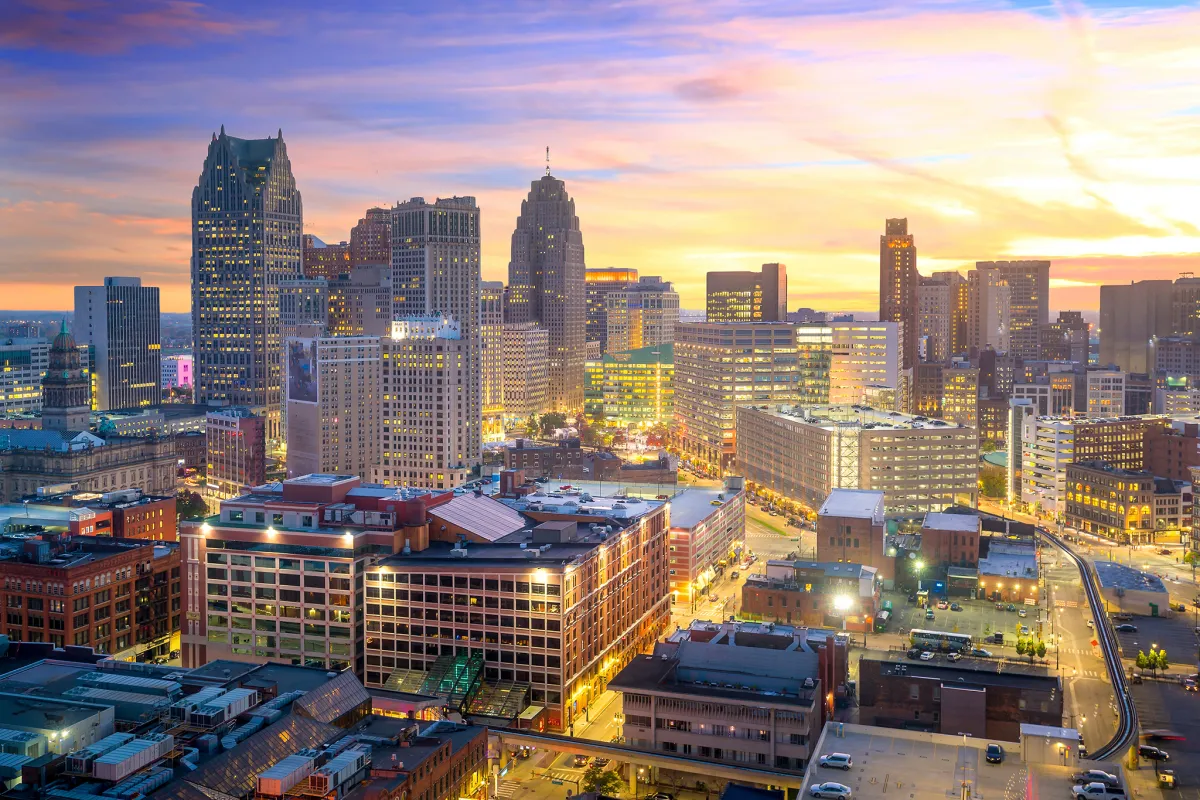 Photo: Detroit, Michigan, via media.timeout.com
Go Find Something Real
The mainstream is always going to exist, and there's nothing wrong with enjoying it. But there's a specific kind of satisfaction that comes from discovering music before the algorithm gets to it — from finding a scene that's still being built, still figuring itself out, still raw at the edges.
These ten communities are all doing that work right now. Some of them will eventually break through to wider recognition. Others will stay underground forever, which might actually be the point. Either way, they're worth your time.
Get curious. Buy the record directly from the artist. Show up to the show in the weird venue. Talk to people. That's how you find the music that actually matters to you — and how you become part of something bigger than a playlist.