Tape Hiss and All: Why Cassettes Are the Most Surprising Music Format of Our Time
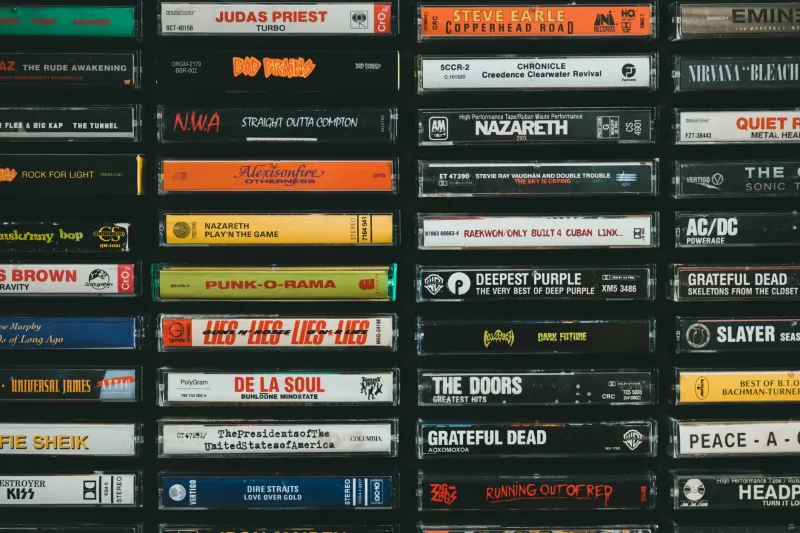
There's something almost absurd about it. In 2024, when you can access virtually every song ever recorded with a tap on your phone, people are buying little plastic rectangles filled with magnetic ribbon that takes 45 seconds to rewind. And they're buying them in growing numbers.
Cassette tape sales in the US hit around 343,000 units in 2023 according to Luminate data — modest compared to vinyl's multi-million unit haul, sure, but that number has been climbing steadily for the better part of a decade. More importantly, the why behind those numbers tells a fascinating story about music, identity, and what we actually want from the things we love.
The Vinyl Shadow
Vinyl's resurgence has been the dominant narrative in physical music for years now. Record stores are thriving. Taylor Swift drops a new color variant and fans line up around the block. It's a genuine cultural moment, and it's well-documented.
But cassettes have been doing their own quiet thing in the margins, largely ignored by mainstream music press. That invisibility is actually part of the appeal. While vinyl became a status symbol — a beautiful, expensive thing to display on a shelf — tapes stayed scrappy. They're cheap to produce, easy to ship, and carry a lo-fi aesthetic that feels genuinely countercultural in an era of pristine, algorithm-polished playlists.
"There's no pretension with a tape," says Marcus Webb, a Chicago-based producer who releases limited runs of his instrumental hip-hop under the name Dusk Circuit. "Vinyl can feel like you're buying a piece of furniture. A tape feels like a zine. It's punk. It's accessible."
Webb started pressing cassettes in 2020 after realizing that a 50-unit run cost him less than $200 and sold out to his mailing list within days. He's since moved to 100-unit runs and still sells out. "My fans aren't just listening to it," he says. "They're holding something. That matters."
The Generation That Never Owned a Walkman
Here's the twist that most people don't see coming: a huge chunk of the cassette-buying audience today has never actually used a tape as a primary listening format. They were born after CDs had already won, and they grew up with MP3s and then streaming. For them, cassettes aren't nostalgia — they're novelty.
That reframing is crucial. This isn't baby boomers trying to relive 1987. It's Gen Z and younger millennials discovering a format on their own terms, drawn in by the aesthetic, the physicality, and the deliberate imperfection of the sound.
Take Olivia Fern, a 24-year-old singer-songwriter from Asheville, North Carolina, who released her debut EP exclusively on cassette and digital. She's never owned a Walkman. Her parents had one. "I grew up on Spotify," she laughs. "But I wanted something people could touch. A cassette felt handmade even when it wasn't. It felt honest."
Fern hand-stamped the J-cards for her first run of 75 tapes. They sold out in a week. She's now on her third pressing.
Lo-Fi Culture and the Tape Aesthetic
You can't talk about cassette culture in 2024 without talking about lo-fi music — that sprawling genre of hazy, warm, imperfect beats that has become the unofficial soundtrack of studying, working, and just existing online. Lo-fi aesthetics are deeply intertwined with the cassette format, visually and sonically.
The hiss. The slight warble. The way the sound breathes rather than snaps. These aren't bugs — they're features, and a generation raised on hyper-compressed digital audio has developed a genuine appetite for them.
Labels like Illuminated Paths and Orange Milk Records have been championing the cassette format for years, building cult followings around experimental, lo-fi, and DIY sounds that fit the format perfectly. These aren't huge operations — they're passion projects run by music obsessives who believe in the physical object as part of the art.
"A tape is an experience, not just a delivery mechanism," says one Illuminated Paths release note that's been screenshotted and shared thousands of times on music forums. That sentence kind of says everything.
Cassettes as Creative Merch
For independent artists, the economics of cassettes are genuinely compelling. Vinyl pressing is expensive, slow (wait times at plants have been brutal in recent years), and requires significant upfront investment. CDs feel dated in a way that cassettes — ironically — don't. Tapes can be produced in small batches, priced accessibly, and designed with serious creative intention.
Many artists are treating tapes less like a format and more like merch with soul. Custom artwork, handwritten notes, colored shells, even small inserts like photos or poems — the cassette becomes a package, a moment, a collectible.
Denver-based ambient artist Sera Hollow releases every project in an edition of exactly 33 tapes. No more, ever. Each one is numbered and comes with a small piece of handwritten text. "It's not about the sound quality," she says plainly. "It's about making something finite in a world where everything is infinite. When you have one of my tapes, you have something that can't be replicated."
That scarcity is a genuine emotional hook in the streaming era, where any song you want is available instantly and endlessly. Owning something rare — something physical — feels like an act of meaning.
The Communities Keeping It Alive
Beyond individual artists, there are whole communities built around cassette culture. Online forums, subreddits, Instagram accounts dedicated to tape photography, and even cassette-specific label showcases at festivals like SXSW keep the format's ecosystem humming.
Cassette Store Day, the tape world's answer to Record Store Day, has been running annually since 2013 and continues to grow. Participating stores across the US report strong turnout and genuine enthusiasm from younger buyers who are discovering the format for the first time.
There's also a thriving secondhand tape market, with thrift store bins and eBay listings doing brisk business. People are buying old tapes not just to listen to them but to experience the cover art, the liner notes, the physical artifact of a moment in music history.
What It All Means
At its core, the cassette revival isn't really about audio fidelity or nostalgia or even economics. It's about a desire for something real in a world that increasingly feels like it's made of pixels and algorithms.
Streaming is convenient and incredible and we're all using it constantly. But it's also weightless. You don't hold a Spotify playlist. You don't run your thumb over the label of a digital file. There's nothing to lose, which means there's nothing to cherish.
A cassette tape — scratched, imperfect, prone to eating itself if you leave it in a hot car — demands something from you. It asks you to be present. And in 2024, that might be the most radical thing a piece of music can do.