Night in Order: How Artists Engineer the Perfect Concert Through Song Sequencing
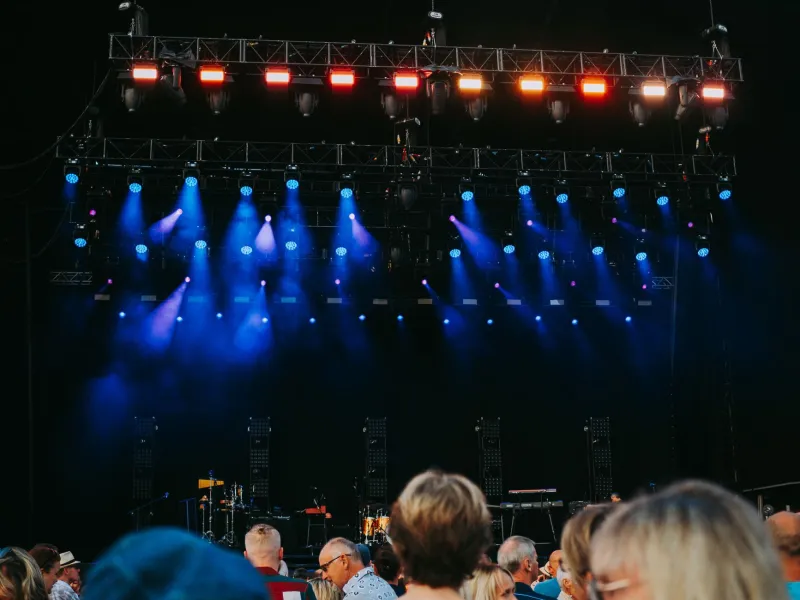
You walk into the venue. Maybe you grab a drink, find your spot, squeeze past a few strangers. The lights drop. And then — before a single word is sung or a guitar string is plucked — you're already in someone else's hands.
That's the deal with live music. The moment the show begins, the artist is steering. And the most powerful tool they have isn't the lighting rig or the pyrotechnics. It's the set list.
We don't talk about song sequencing nearly enough. We obsess over album tracklists, argue about which song should've been the single, debate whether the bridge kills the vibe. But when it comes to concerts, most people just show up hoping their favorite song gets played. The deeper craft — the emotional architecture underneath a two-hour show — mostly goes unnoticed. Which is exactly how the best artists want it.
The Opening Slot Is Everything (And Nothing)
Here's a counterintuitive truth: the first song of a set is rarely the best song. It's the right song.
Openers serve a specific function. They need to grab attention, signal the tone, and give the crowd permission to let go. That's a lot of pressure for three and a half minutes of music. Some artists open with a high-energy banger to get bodies moving immediately. Others ease in with something atmospheric, building tension before the release. Both strategies work — but they're not interchangeable. The choice reveals everything about how an artist reads a room.
Beyoncé is a masterclass in this. Her Renaissance World Tour opened with a cinematic sequence that felt more like a film premiere than a concert intro. By the time she hit the stage, the crowd was already primed — emotionally invested before she sang a note. That's not an accident. That's architecture.
For smaller touring acts, the calculus is different but equally deliberate. A singer-songwriter playing a 300-cap venue in Nashville or a band hitting the circuit through the Midwest doesn't have a production team scripting the moment. But the best ones still think hard about what song earns the room's trust first.
The Middle Is Where Most Shows Live or Die
The opening gets the credit. The encore gets the legend. But the middle of a set? That's where the real work happens — and where most shows quietly fall apart.
Pacing is everything in the mid-section. Drop too many slow songs in a row and you lose momentum. Play nothing but high-tempo tracks and the crowd hits a wall — physically and emotionally. The sweet spot is contrast. A bruising rock song followed by something stripped back. A crowd-participation moment followed by a deep cut that rewards the real fans in the room.
Live sound engineers — the people mixing from the back of the house — will tell you they can feel the energy shift in real time. The crowd gets louder or quieter. Bodies move differently. The room either breathes together or starts to scatter. A well-sequenced middle section keeps everyone locked in, even if they can't explain why.
Strategic surprises live here too. A cover song dropped in the middle of a set can completely reset the room's energy. An acoustic breakdown in a show that's been wall-to-wall electric creates a moment of intimacy that feels like a secret shared between the artist and everyone in the building. These aren't random choices — they're calculated emotional pivots.
The Art of the Slow Burn Build
Some of the most effective set lists aren't designed to peak early. They're designed to build — slowly and deliberately — toward a single transcendent moment.
Think about how Bruce Springsteen runs a show. The man has been doing this for decades, and his sets are famously long, famously unpredictable, and famously emotional. He'll play something loose and joyful, then pivot to something devastating, then bring it back up. By the time he gets to "Born to Run" or "Dancing in the Dark," the crowd isn't just excited — they're ready. He's earned that peak.
That build structure requires patience from the artist and a kind of trust from the audience. It doesn't work if the crowd hasn't been brought along for the ride. Which is why sequencing isn't just about individual songs — it's about the story those songs tell when they're placed next to each other.
A heartbreak song hits differently after a defiant anthem. A quiet ballad lands harder when it follows something chaotic. Context is everything in live music, and the set list is the context.
The Encore: Myth, Ritual, and Real Stakes
Let's be honest — the fake encore is one of music's most transparent conventions. The band walks off stage. The crowd cheers. The band comes back. Everyone pretends to be surprised. It's theater, and we all know it.
But here's the thing: even theater has stakes. What an artist chooses to play in those final minutes matters enormously. The encore is the last impression. It's what people hum on the way to the parking garage. It's what they text their friends about the next morning.
The safest move is to close with the biggest hit — give the people what they came for, send them home happy. But the most memorable shows often subvert that expectation. Closing with something unexpected, something vulnerable, something that doesn't fit neatly into the "greatest hits" box — that's what turns a good concert into a story people tell for years.
Taylor Swift, for all the spectacle of the Eras Tour, understood this. Surprise songs became one of the most talked-about elements of the entire run. Every night, two songs nobody expected. It kept the internet buzzing, sure, but it also made every show feel singular. You couldn't just watch someone else's recap and feel like you'd experienced it. You had to be there.
Why This Craft Matters More Than Ever
In an era when streaming has made albums feel almost optional — where listeners skip around playlists and algorithms serve up songs in whatever order keeps you engaged — the live show has become one of the last places where sequence is non-negotiable.
You don't get to shuffle a concert. You experience it in order, in real time, surrounded by other people who are experiencing it the same way. That shared journey is rare now. It's precious.
The artists who understand this — who treat the set list as a living document, something to be revised and refined night after night based on how the crowd responds — are the ones who build the kind of loyalty that outlasts any single song or album cycle.
Next time you're at a show, pay attention to the order. Notice when the energy shifts, when a slower moment makes the loud parts hit harder, when a song you forgot you loved suddenly sounds like the best thing you've ever heard because of what came right before it.
That's not luck. That's craft. And it deserves a lot more credit than it gets.