Tracks That Never Were: The Secret Graveyard of Scrapped Music Collabs
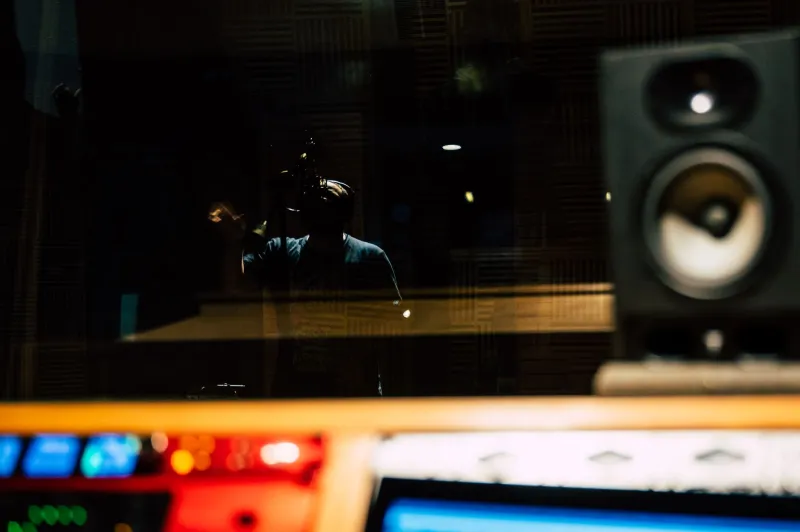
There's a version of music history that nobody gets to hear. It lives in hard drives that haven't been opened in years, in contract clauses that buried whole sessions, in arguments that started over a credit and ended a friendship. Every once in a while, a snippet leaks. A producer tweets something cryptic. An artist drops a comment in an interview that makes you realize — wait, that almost happened?
Scrapped collaborations are one of the music industry's most quietly devastating phenomena. And they happen way more often than anyone lets on.
The Studio Is Not a Safe Space for Ideas
Here's something most casual fans don't fully grasp: getting into a studio with another artist doesn't mean a song is coming out. Not even close. The creative process is messy, ego-driven, and wildly unpredictable. Two artists can vibe in conversation and completely clash in the booth.
Producers who've worked across the industry describe the dynamic bluntly. The energy in the room has to be right, the timing has to be right, and honestly, sometimes one person just isn't feeling it that day — and that day is the only day you had together on the calendar. You can't manufacture chemistry. If it's not there, you've got a session and no song.
And that's the best case scenario for a failed collab — at least the people walked away without bad blood.
When Legal Gets in the Way of the Music
Some of the most heartbreaking collaboration casualties have nothing to do with creative differences. They're killed by paperwork.
Label deals are often the silent assassin. An artist on a major might record an incredible feature, but if their contract limits outside appearances or requires approval from a label that moves slowly or just says no — that's it. The track sits. Sometimes it sits forever.
Then there's the sample clearance nightmare. A feature might be fully recorded, mixed, even mastered, but if the underlying production samples something that can't get cleared — or that a rights holder prices out of reach — the whole thing collapses. You can have the best verse anyone's ever laid down on a track, and it means absolutely nothing if the legal side doesn't line up.
Royalty splits are another landmine. Who gets what percentage? Who gets top billing? These conversations happen after the music is made, and they can get ugly fast. Some artists walk away from finished songs because the split felt disrespectful. Some labels pull the plug because another label is involved and the business terms don't work. The music doesn't care about any of that. But the music also doesn't get a vote.
The Politics Nobody Talks About
Beyond contracts and creative clashes, there's a layer of industry politics that quietly buries collabs before they ever see daylight. Feuds between management teams. Label rivalries. An artist's team deciding a feature doesn't serve the current rollout narrative. A publicist who thinks the association sends the wrong message.
None of this gets announced. There's no press release that says we had something incredible and it got killed for reasons that have nothing to do with the music. It just... disappears. And the fans never know what they missed.
This is especially brutal when you consider the collabs that almost happened between artists at peak creative moments — a pairing that would have made sense culturally, sonically, commercially — and the whole thing fell apart because someone's manager didn't return emails fast enough.
The Ones That Leaked and Proved the Point
Occasionally, a scrapped collab surfaces — either through a leak, a fan excavation of old metadata, or an artist who decides the statute of limitations on keeping quiet has run out. And when it does, the reaction is almost always the same: why did this not come out?
These moments are fascinating because they confirm what the industry insiders already know — the graveyard is full of genuinely great music. It's not all rough cuts and half-finished ideas. Some of it is polished, complete, and would have been significant. The fact that it didn't come out wasn't about quality. It was about everything else.
What Gets Lost When a Collab Dies
There's a specific kind of cultural loss that comes with a scrapped collaboration. It's not just a song — it's a moment that could have shifted how two fanbases related to each other. It's a sound that might have pushed a genre forward. It's a career inflection point that never happened.
Artists rarely talk about the ones that got away, at least not directly. But you can sometimes hear it in interviews — a slight pause when someone's name comes up, a vague reference to a session that was interesting, a comment about timing that clearly means something more than timing.
The collaboration graveyard is real, and it's bigger than anyone admits. And the most haunting part? You'll never know exactly what's buried there. You can only hear the echoes of it in the music that did make it out — wondering sometimes if the version with that other voice might have been the one that changed everything.
Some tracks are ghosts before they're even finished. And those might be the ones worth grieving most.